
Science Fiction/Fantasy
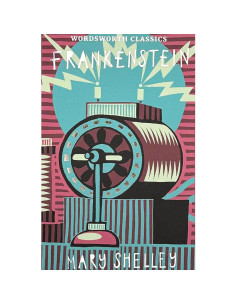
FRANKENSTEIN - Mary Shelley
16.625 TND
En stock immédiat (50 unités disponibles)
FRANKENSTEIN - Mary Shelley : First published anonymously in 1818, Frankenstein; or, The Modern Prometheus by Mary Shelley is one of the most influential novels in literary history. Combining Gothic horror, philosophical fiction, and early science fi
Livraison express partout en Tunisie
Retours faciles et service après-vente
Paiement 100% sécurisé à la livraison ou en ligne
Description & Caractéristiques
FRANKENSTEIN - Mary Shelley : First published anonymously in 1818, Frankenstein; or, The Modern Prometheus by Mary Shelley is one of the most influential novels in literary history. Combining Gothic horror, philosophical fiction, and early science fiction, it raises enduring questions about scientific ambition, responsibility, identity, and what it means to be human. The novel follows Victor Frankenstein, a brilliant young student fascinated by science and the mysteries of life. Driven by his desire to overcome the limits of human knowledge, Victor secretly discovers a method for bringing lifeless matter to life and constructs a living being from human remains. But the moment his experiment succeeds, Victor is horrified by what he has created. Rather than accepting responsibility for the being, he abandons it and attempts to return to his former life. Left alone, the Creature must learn to survive without guidance or companionship. Intelligent and emotionally sensitive, he secretly observes human society, learns language, reads books, and develops a powerful desire for friendship and acceptance. Yet his frightening appearance repeatedly causes people to reject and fear him. As loneliness turns into anger, the Creature confronts Victor and demands that his creator acknowledge his suffering. Their relationship develops into a destructive struggle between creator and creation, leading both characters toward obsession, loss, revenge, and tragedy. Far more than a simple monster story, Frankenstein explores profound questions about the consequences of unchecked ambition. Shelley asks whether creating life also creates a moral obligation to care for it, and whether cruelty is inherent or produced by isolation and rejection. The novel also examines scientific ethics, prejudice, loneliness, family, education, nature, free will, and the search for belonging. Victor and his Creature mirror one another in unexpected ways, making the distinction between victim and monster increasingly complex. Written by Mary Shelley when she was still a teenager
Vous aimerez aussi
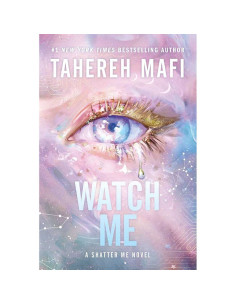
Watch Me - Tahereh Mafi
44.650 TND
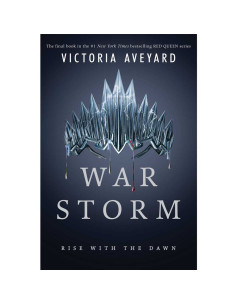
War Storm - Victoria Aveyard
61.750 TND
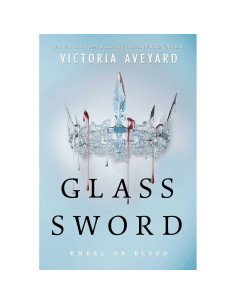
Glass Sword - Victoria Aveyard
47.500 TND