
Literary Fiction
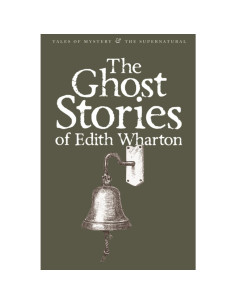
The Ghost Stories Of Edith Wharton - Edith Wharton
20.900 TND
En stock immédiat (50 unités disponibles)
The Ghost Stories Of Edith Wharton - Edith Wharton : The Ghost Stories of Edith Wharton is a compelling collection of supernatural fiction by Edith Wharton, one of the most distinguished American writers of the early twentieth century. Best known for
Livraison express partout en Tunisie
Retours faciles et service après-vente
Paiement 100% sécurisé à la livraison ou en ligne
Description & Caractéristiques
The Ghost Stories Of Edith Wharton - Edith Wharton : The Ghost Stories of Edith Wharton is a compelling collection of supernatural fiction by Edith Wharton, one of the most distinguished American writers of the early twentieth century. Best known for novels such as The Age of Innocence and The House of Mirth, Wharton was also an accomplished writer of ghost stories, creating tales notable for their atmosphere, psychological complexity, and quiet sense of dread. Rather than relying primarily on dramatic monsters or obvious horror, Wharton often builds suspense gradually. Strange houses, isolated landscapes, unexplained sounds, disturbing memories, and mysterious figures create an atmosphere in which the ordinary slowly becomes unsettling. Many of the stories explore the boundary between the supernatural and the psychological. Characters encounter events they cannot easily explain, leaving both them and the reader uncertain whether they have witnessed genuine supernatural forces or something emerging from fear, guilt, memory, and imagination. Among Wharton’s best-known supernatural tales are “Afterward,” “Kerfol,” “The Eyes,” “Pomegranate Seed,” “Mr. Jones,” and “All Souls’.” These stories demonstrate her ability to transform familiar settings—country houses, marriages, inheritances, and respectable social circles—into environments filled with secrecy and unease. Wharton’s ghost fiction also reflects many of the themes found throughout her literary work. Beneath the supernatural elements are questions about marriage, loneliness, social expectations, repression, guilt, class, relationships, and the consequences of the past. The ghosts often represent more than frightening apparitions; they become reminders of unresolved histories that refuse to disappear. Her sophisticated prose and carefully controlled suspense distinguish these stories from conventional horror. Instead of explaining every mystery, Wharton frequently leaves uncertainty behind, allowing the reader’s imagination to continue the haunting long after the story has ended.
Vous aimerez aussi
Great Eexpectations - Charles Dickens
16.530 TND
Heart Of Darkness - Joseph Conrad
15.770 TND
Dead End Memories - Banana Yoshimoto
42.750 TND
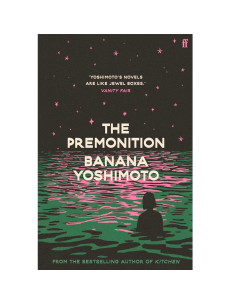
The Premonition - Banana Yoshimoto
42.750 TND